Inflatable paddle boards, and what the volume actually costs
Eight boards from 16 lb to 21 lb. Volume is the spec that decides how stable they feel and how long they take to pump, and it is the one three of them will not tell you.
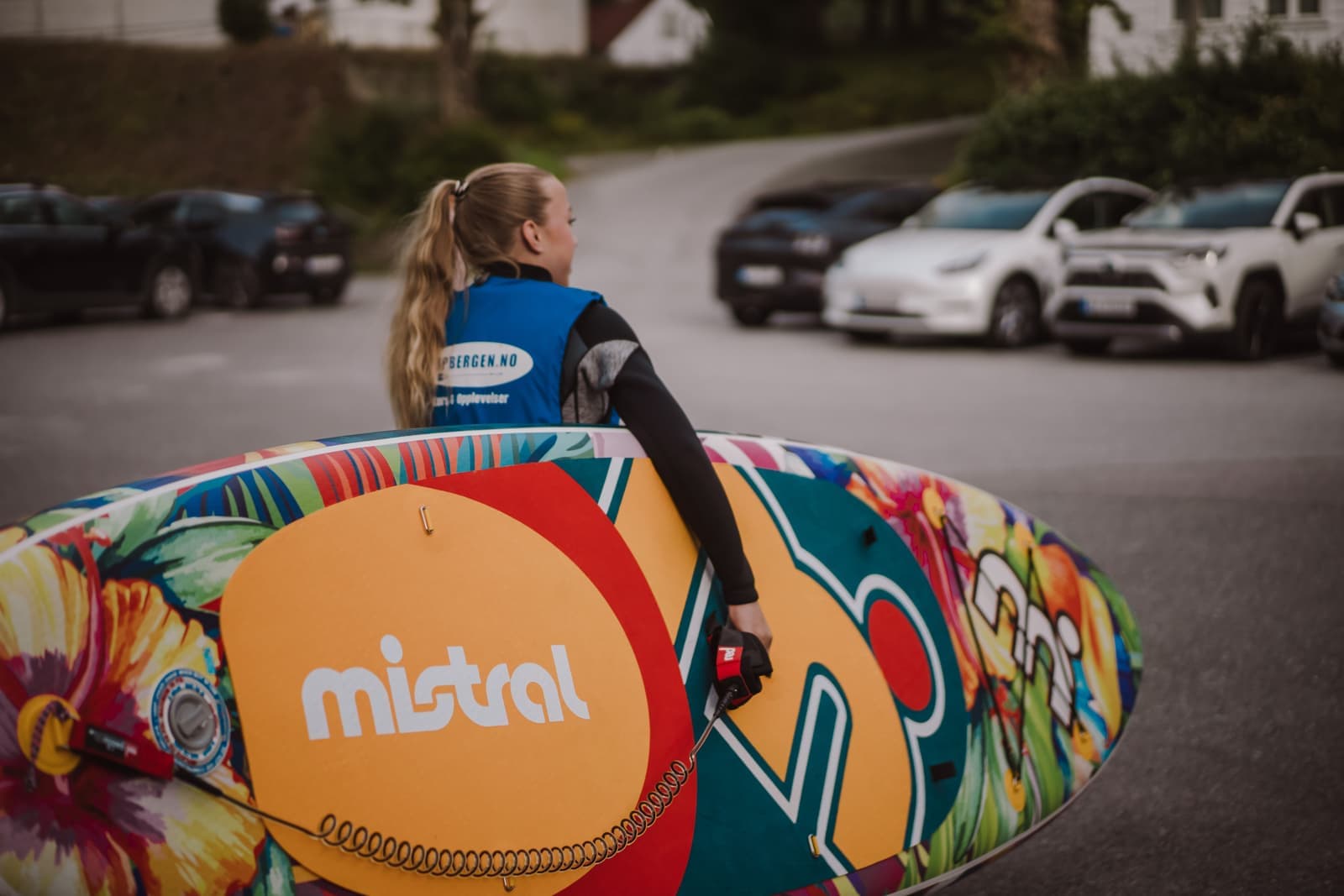
Inflatable paddle boards are unusually consistent. Eight boards here span 16 lb to 21 lb -- five pounds across the whole category, budget and premium alike -- so weight barely separates them. What separates them is volume, width, and how much each brand is willing to publish.
All eight are currently sold on Amazon and all their specifications were read from the manufacturers' own pages on 2 September 2026. We have not paddled any of them.
Volume is the spec that does the work
A board's volume in liters is its displacement, and it answers two separate questions at once. More volume floats more weight and sits higher, which is stability. More volume also takes more air, which is pumping.
Those two are the whole trade. The NIXY Newport G5's 300 L makes it the most forgiving board here to stand on and the longest to inflate -- roughly 192 hand-pump strokes. The Red Paddle Compact's 200 L is the opposite on both counts.
Three of the eight boards -- Retrospec, ROC and iROCKER -- publish no volume at all, which means nobody can calculate their inflation load. Not us, and not any of the eleven competitor guides we measured during research.
The pump arithmetic, for the boards that permit it
None of these numbers was timed with a stopwatch. Every one is computed from the board's published volume and target pressure against a published 2 L pump cylinder, and the full model is set out here.
| Model | Volume (L) | Target psi | Free air (L) | Strokes | By hand |
|---|---|---|---|---|---|
| Red Paddle Co Compact 9'6 | 200 | 15 | 404 | 128 | 3.2 min |
| GILI Air 10'6 | 225 | 15 | 455 | 144 | 3.6 min |
| Atoll 11' | 238 | 15 | 481 | 153 | 3.8 min |
| Bluefin Cruise 10'8 | 260 | 15 | 525 | 167 | 4.2 min |
| NIXY Newport G5 | 300 | 15 | 606 | 192 | 4.8 min |
What the budget end withholds
The missing specifications are not random. Volume, packed size and warranty term go missing together, and they are precisely the three that would let you compare a cheap board directly against an expensive one. Weight, width and rider limit -- the specs every listing leads with -- are published by everybody.
That is why our budget page ranks on disclosure rather than on price. It is the thing that actually varies down there.
Where to start
First board? Start here -- width and volume are what a first hour needs. Flying with it? The travel page is the only one where the packed-size gap really bites. Not sure a board is what you want at all? Read the kayak comparison first.
Paddle Boards: every page
Each of these carries the published specifications, the figures we derived from them, and a buy link for its top pick.
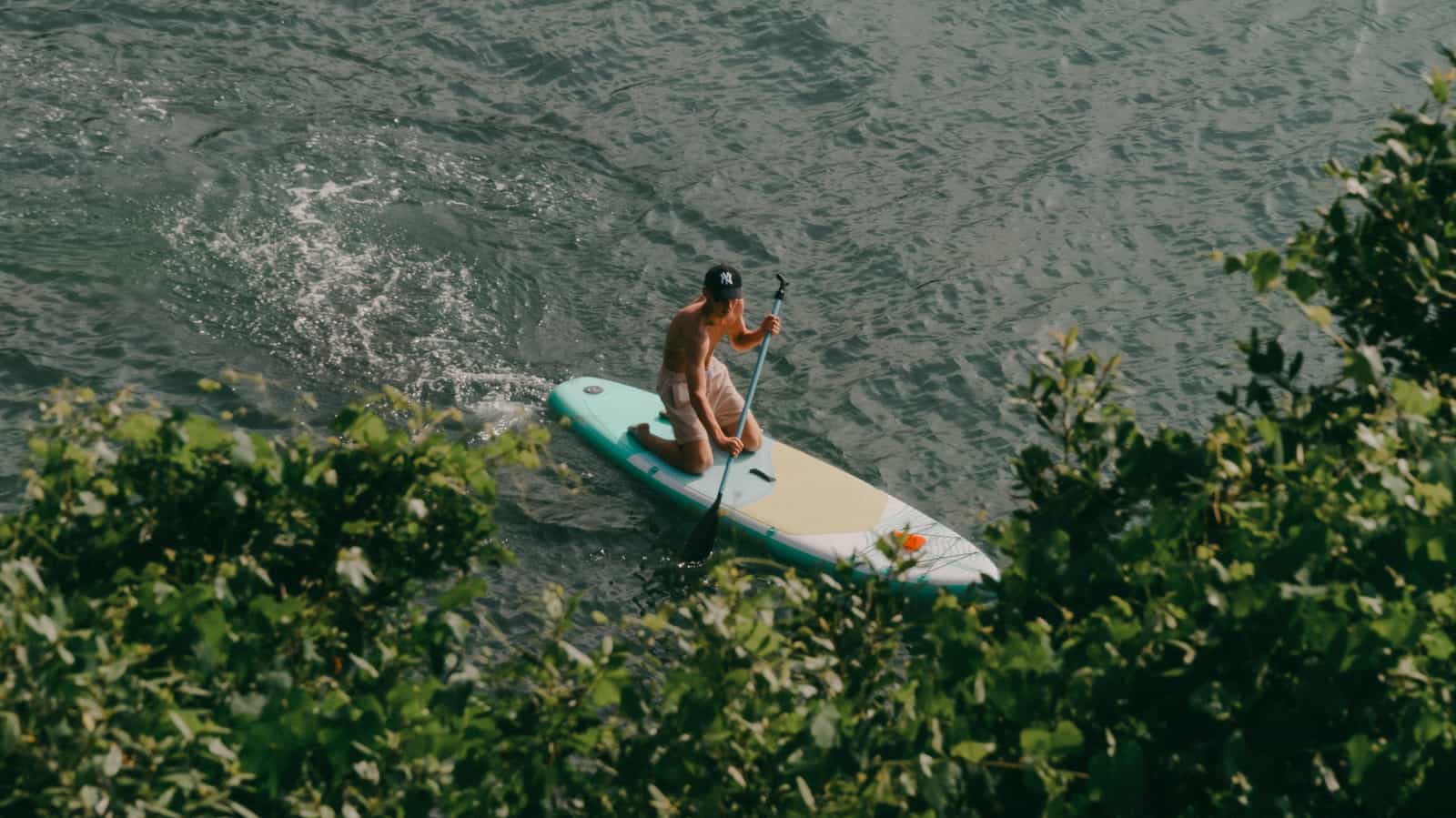
The best inflatable paddle boards for travel
Ranked against the 62-inch and 50 lb airline limits using published packed dimensions and system weights.

The lightest inflatable paddle boards, and what light costs
Ranked by published board weight, with the volume and width each one gives up.
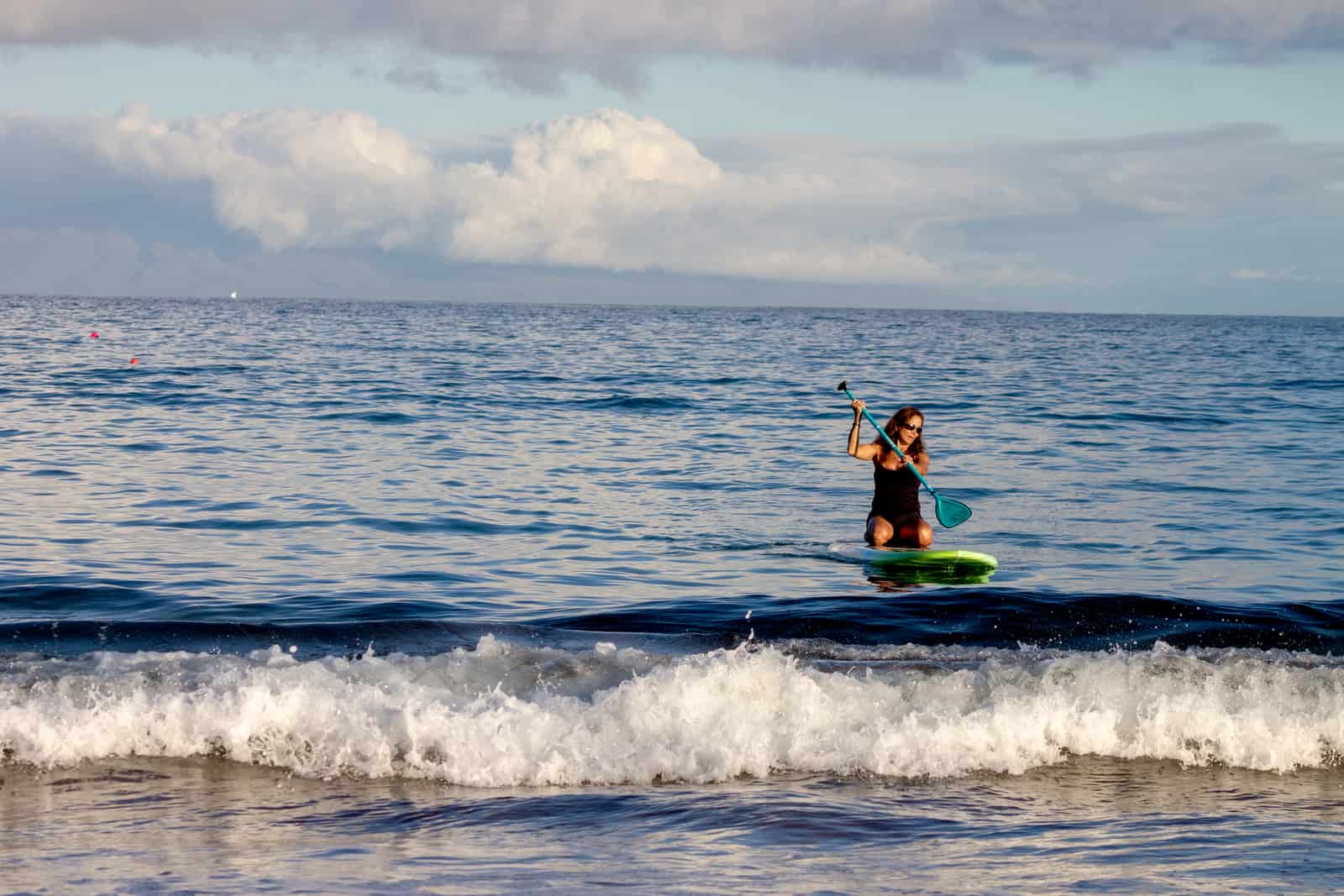
Inflatable paddle boards for beginners: width, then volume
First boards ranked on width and volume -- the two specs that decide how settled a board feels.
Budget inflatable paddle boards, judged on what they disclose
The budget end of the market, ranked on published specification completeness rather than on unverified prices.
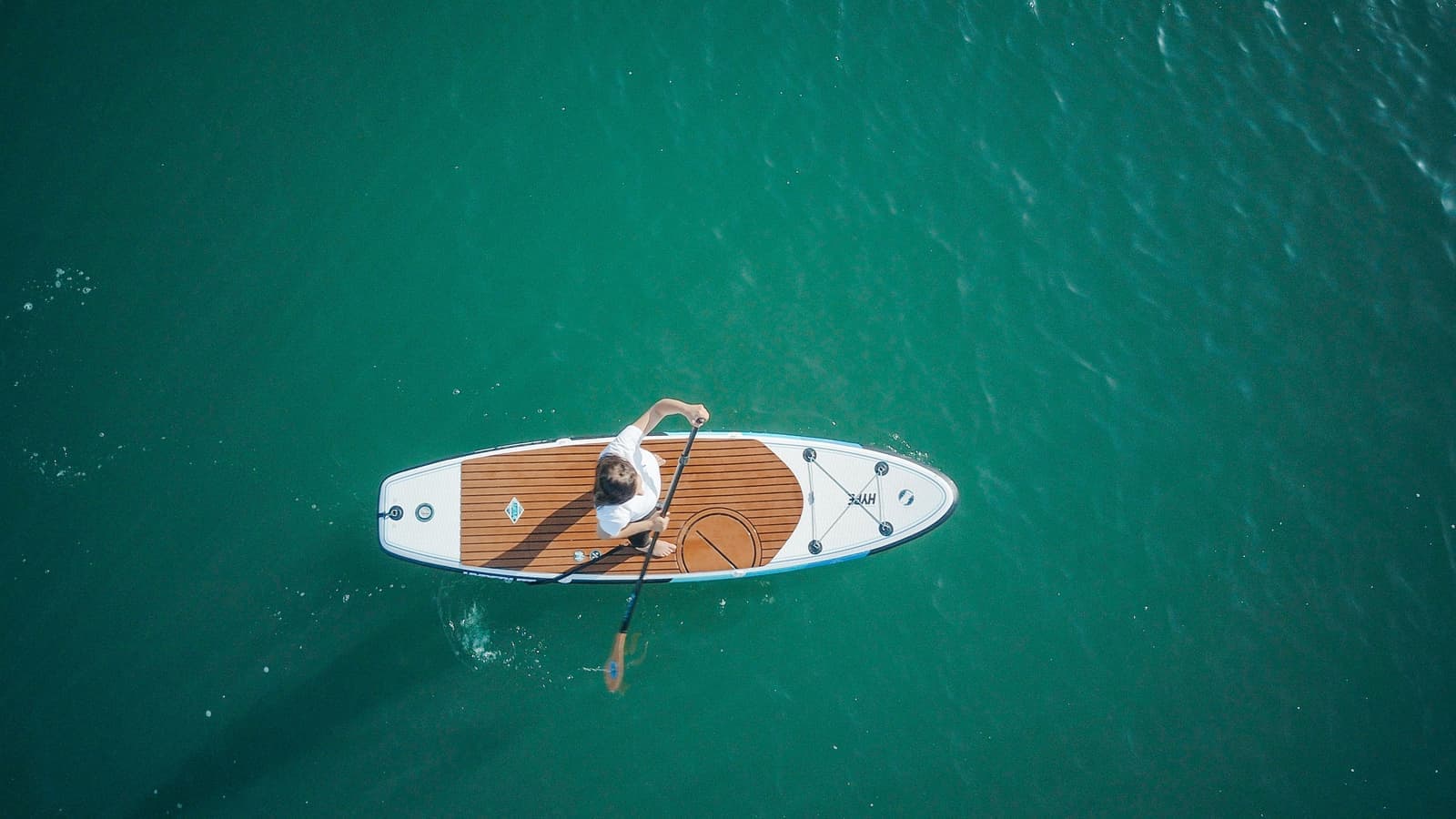
Inflatable paddle boards for fishing: capacity first
Fishing picks judged on published volume and rider limit, plus the width you need to stand and cast.
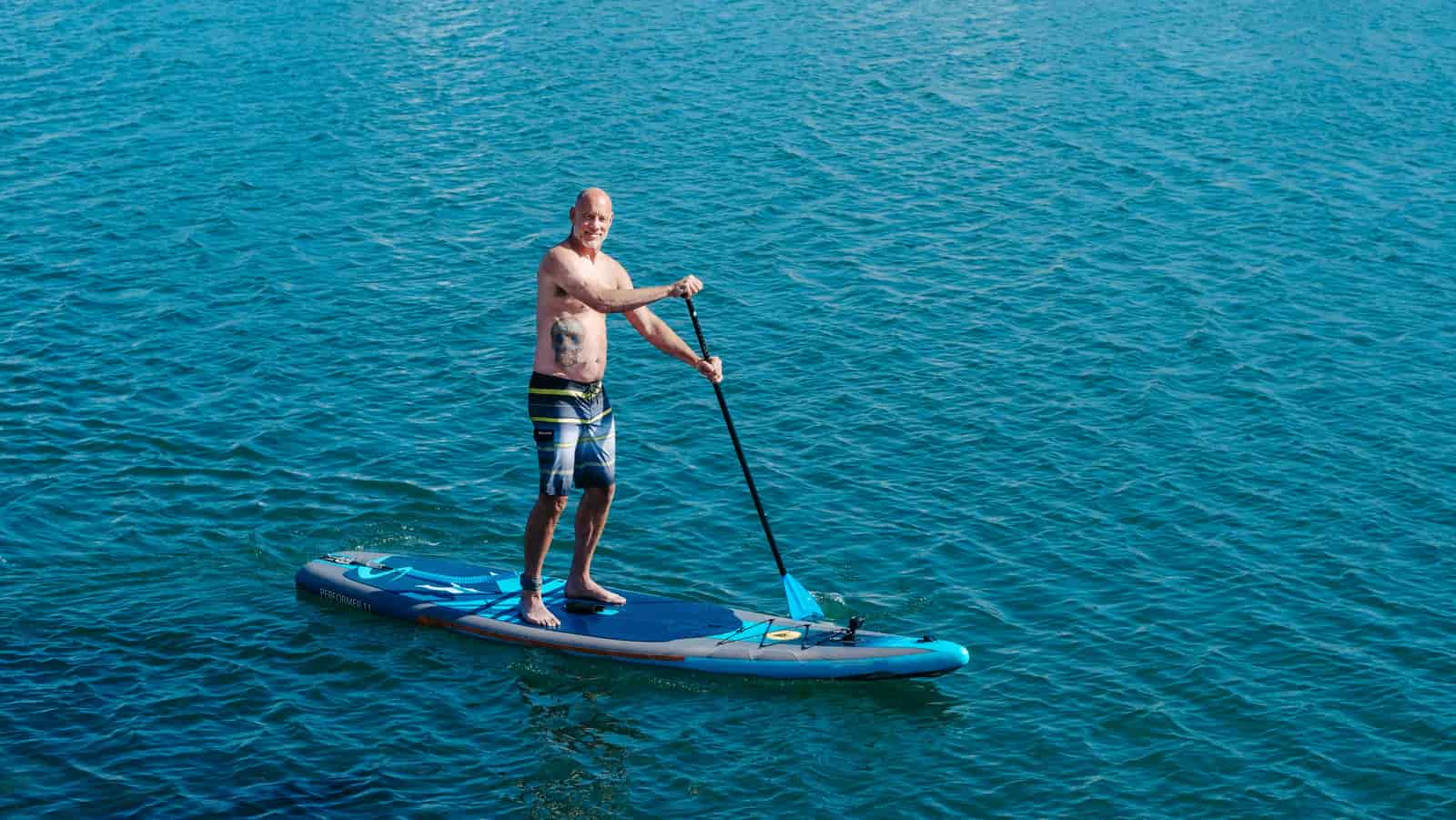
Paddle boards you can sit on: the hybrid question
Which boards' published volume and width support a seat conversion, and what the hybrid trade actually is.
The background that makes these decisions easier
The pages that explain the numbers everything above is ranked on.
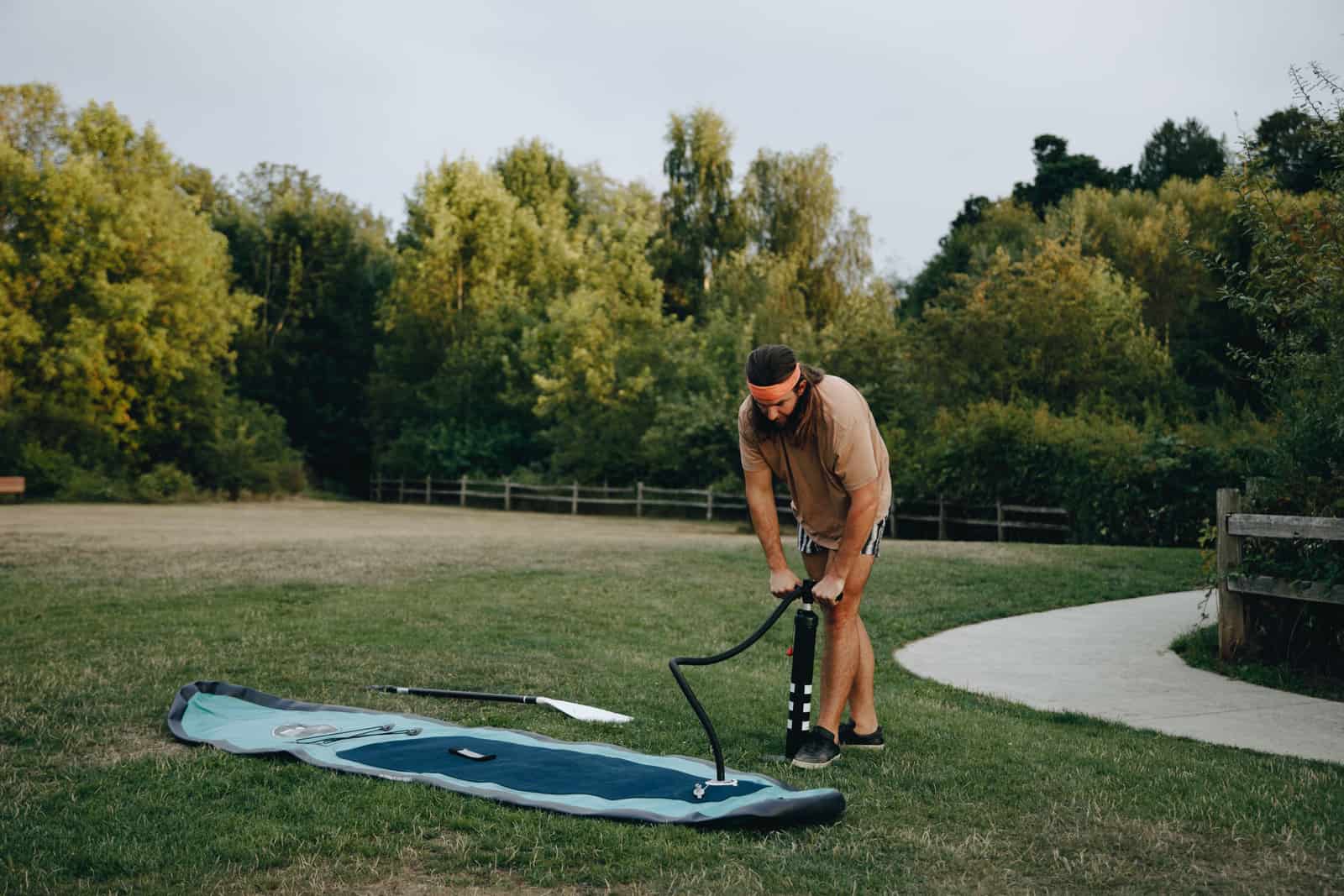
How long an inflatable actually takes to inflate
Stroke counts and minutes computed from published volume, pressure and pump displacement, with the model set out.
Read it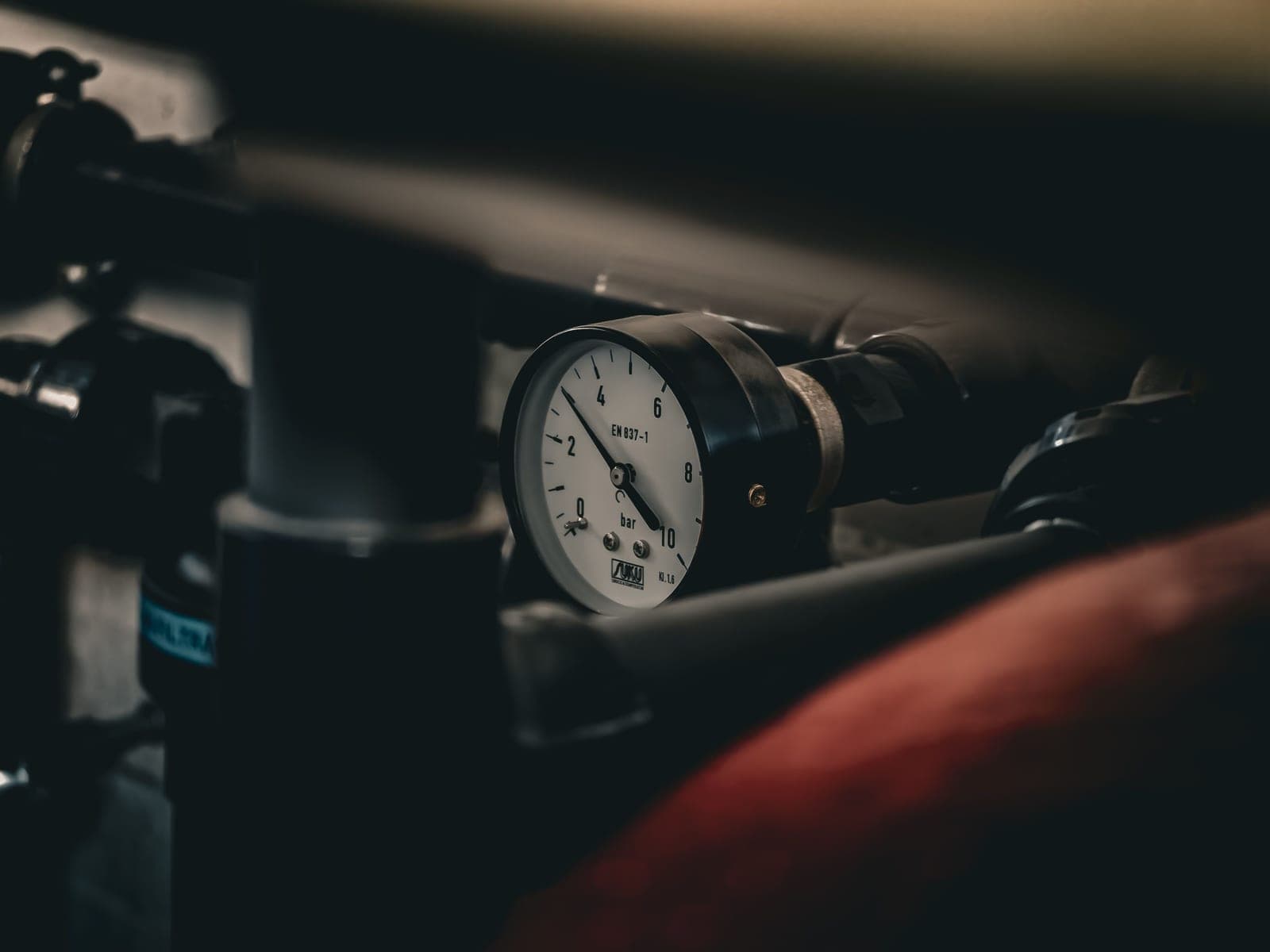
PSI chart: what pressure each model actually runs
Every published working pressure in the registry, what over- and under-inflation do, and which brands publish nothing.
Read it
Flying with an inflatable kayak or paddle board
The 62-inch and 50 lb limits, the fees past them, and which products clear both on published figures.
Read itQuestions people actually ask
What size inflatable paddle board should I get?
How long does an inflatable paddle board take to inflate?
What PSI should an inflatable paddle board be?
Can you take an inflatable paddle board on a plane?
Are cheap inflatable paddle boards any good?
Sources
Every specification on this page was read from one of these, on the date shown. Specs change between model years, so the date matters as much as the link.
- Red Paddle Co Compact 9'6 specifications, REI — read September 2, 2026
- Red Paddle Co Compact 9'6 package listing, Amazon — read September 2, 2026
- GILI Air inflatable paddle board package listing, Amazon — read September 2, 2026
- Atoll 11' specifications — read September 2, 2026
- Atoll 11' listing, Amazon — read September 2, 2026
- NIXY Newport all-around specifications — read September 2, 2026
- NIXY Newport G5 listing, Amazon — read September 2, 2026
- Bluefin Cruise 10'8 specifications — read September 2, 2026
- Bluefin Cruise 10'8 listing, Amazon — read September 2, 2026
- iROCKER Nautical 10'6 specifications — read September 2, 2026
- iROCKER Nautical listing, Amazon — read September 2, 2026
- Retrospec Weekender 10'6 specifications — read September 2, 2026
- Retrospec Weekender listing, Amazon — read September 2, 2026
- ROC Explorer 10' specifications, Walmart listing — read September 2, 2026
Everyone in this category says they tested twenty boats. We have not tested any, and we say so. What we did instead: pulled the published specifications and the owner's manuals, computed the pump load and the packed volume for every model that publishes enough to compute them, checked the packed sizes against the airline limits you will actually meet, and cited every page we read. The full method.
Prefer to start somewhere else? Every page on the site is listed here.