Pack size explained: linear inches, cubic volume and why both matter
Two different numbers answer two different questions, and most spec sheets publish neither.
By Scooter M. · Published September 2, 2026 · Last updated September 2, 2026
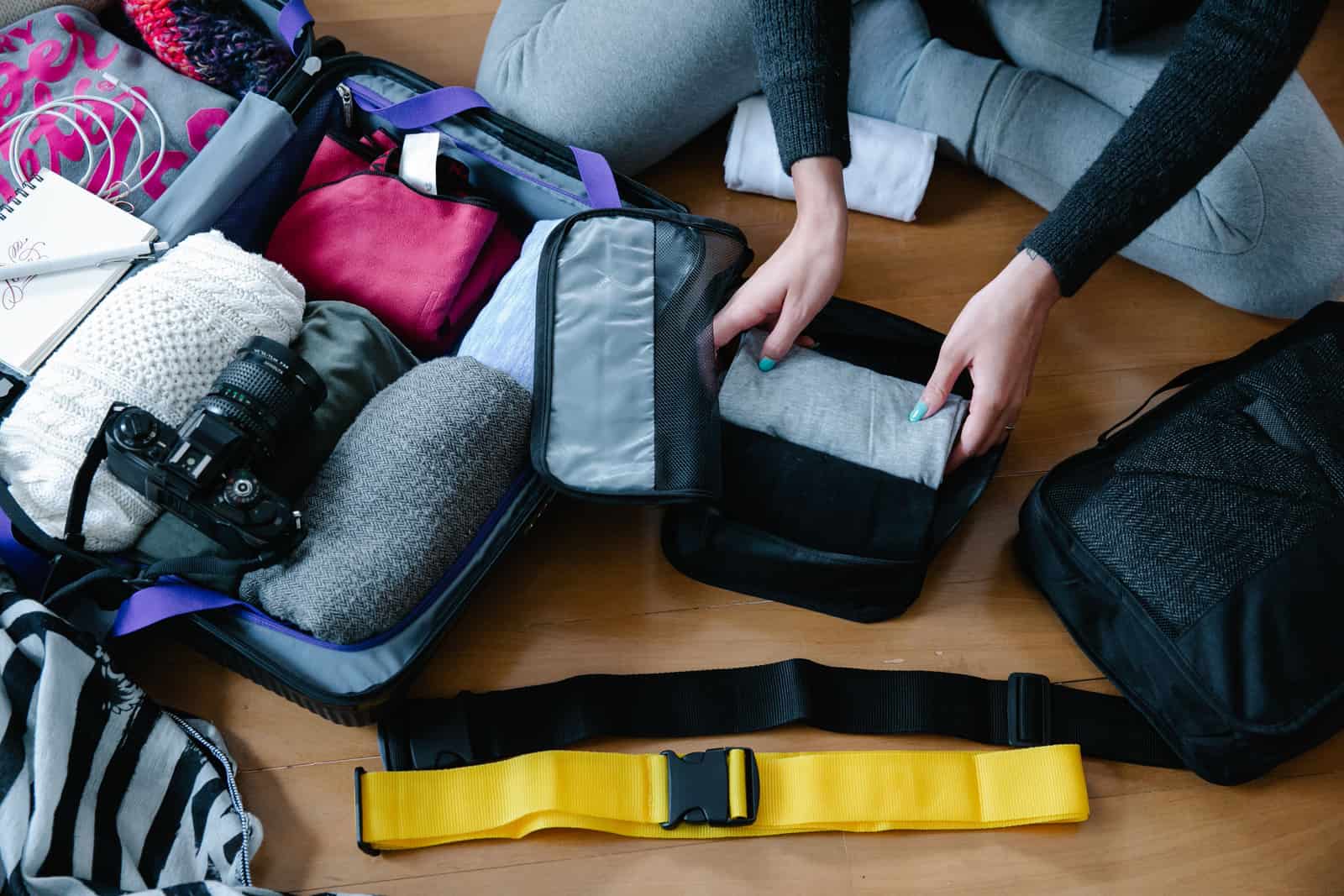
Packed size is the specification that decides whether an inflatable actually works for the life you have. It is also the one most likely to be missing from the page you are reading it on.
Two numbers matter, they answer different questions, and confusing them is how people end up paying an oversize fee for a bag that fitted in the car perfectly well.
- Linear inches = length + width + height. The US economy checked-bag limit is 62.
- Cubic volume is what a car boot cares about. Two bags at the same linear inches can differ hugely in bulk.
- Five of eight kayaks in our registry publish a packed size. Two of eight boards do.
- Neither number includes the pump, the paddle or the bag itself. Nobody publishes that either.
Linear inches, and why airlines use a strange measure
Adding three dimensions together is a poor description of a shape and an excellent description of a handling constraint. A baggage system cares whether a bag will go through the openings, round the corners and onto the belts, and the sum of the edges is a fast proxy for that.
The practical consequence is that the measure is forgiving of odd shapes. A board bag that is 36 inches long, 16 wide and 12 deep is 64 linear inches and over the line. Take four inches off the length -- as Red Paddle's folding construction does -- and the same bulk of gear comes in at 58.7 and checks normally.
Every published packed size we have
| Model | Weight (lb) | Packed (in) | Linear in | Volume (L) | Under 62 in |
|---|---|---|---|---|---|
| Advanced Elements PackLite | 4 | 11 x 11 x 5 | 27 | 9.9 | Yes |
| Driftsun Voyager 2 | 27 | 26 x 16 x 8 | 50 | 54.5 | Yes |
| Advanced Elements AdvancedFrame | 36 | 30 x 17 x 10 | 57 | 83.6 | Yes |
| Sevylor Quikpak K1 | 18 | 31 x 9.25 x 17.5 | 57.8 | 82.2 | Yes |
| Sea Eagle SE370 | 32 | 31 x 19 x 8 | 58 | 77.2 | Yes |
| Red Paddle Co Compact 9'6 | 16 | 26 x 17.32 x 15.35 | 58.7 | 113.3 | Yes |
| iROCKER Nautical 10'6 | 20 | 36 x 16 x 12 | 64 | 113.3 | No |
| Aquaglide Chelan 120 | 28.3 | Not published | Not published | Not published | Not published |
| Intex Explorer K2 | 36.96 | Not published | Not published | Not published | Not published |
| NIXY Newport G5 | 21 | Not published | Not published | Not published | Not published |
Cubic volume: the number for a car, a cupboard or a hold
Multiply the three dimensions instead of adding them and you get the actual bulk. This is what tells you whether the bag shares a boot with three people's luggage or whether it lives under a bed.
The comparison that makes the point: the Sea Eagle SE370 at 31 x 19 x 8 inches is 58 linear inches and about 77 liters. The Sevylor Quikpak K1 at 31 x 9.25 x 17.5 is 57.75 linear inches -- almost identical by the airline's measure -- and about 82 liters. Nearly the same on one metric and a different shape entirely, and the shape is what determines where it will physically go.
The PackLite at 27 linear inches is 605 cubic inches, or roughly 10 liters. That is a large shoebox, and it is why it is the only boat in this registry you could reasonably put in hand luggage.
What the packed size does not include
Nobody publishes it, so it is worth stating: the packed dimensions are for the bag with the boat or board in it. The pump, the paddle and often the fins go somewhere else.
Two products in the whole registry publish a complete system weight -- the PackLite at 7 lb against a 4 lb hull, and the iROCKER Nautical at 27 lb against a 20 lb board. Both suggest accessories add somewhere between 3 and 7 lb, and neither tells you how much extra space they take. Against a 50 lb allowance that gap matters, and the flying guide works through it.
How to use this before you buy
Measure the space you actually have -- the boot, the cupboard, the gap behind the sofa -- and compare it against the cubic figure. Then check the linear figure against 62 if you ever intend to fly.
And if the product you are looking at does not publish a packed size, treat that as information rather than as an inconvenience. Six of eight paddle board brands in our registry withhold it, and the two that publish it are the two you can plan around.
- Flying with an inflatableThe weight limit, the fees on either side, and the system weight nobody publishes.
- Kayaks ranked by packed sizeThe five boats that publish a number, in order.
- Boards ranked by packed sizeThe two boards that publish a number, and where 62 inches falls between them.
Questions people actually ask
What are linear inches?
How small does an inflatable kayak pack?
How small does an inflatable paddle board pack?
Why is cubic volume a different question?
Sources
Every specification on this page was read from one of these, on the date shown. Specs change between model years, so the date matters as much as the link.
- Advanced Elements PackLite listing, Amazon — read September 2, 2026
- Advanced Elements PackLite specifications, Air Kayaks — read September 2, 2026
- Advanced Elements AdvancedFrame AE1012 owner's manual — read September 2, 2026
- AdvancedFrame AE1012-R specifications, B&H — read September 2, 2026
- Sea Eagle SE370 specifications — read September 2, 2026
- Sea Eagle SE370 Pro package listing, Amazon — read September 2, 2026
- Aquaglide Chelan 120 specifications, Campmor — read September 2, 2026
- Aquaglide Chelan 120 listing, Amazon — read September 2, 2026
- Sevylor K1 QuikPak specifications, Coleman — read September 2, 2026
- Sevylor QuickPak K1 listing, Amazon — read September 2, 2026
- Driftsun Voyager 2-person listing and specifications, Amazon — read September 2, 2026
- Intex Explorer K2 official specifications — read September 2, 2026
- Intex Excursion Pro K2 official specifications — read September 2, 2026
- Intex Excursion Pro K2 listing, Amazon — read September 2, 2026
- Red Paddle Co Compact 9'6 specifications, REI — read September 2, 2026
- Red Paddle Co Compact 9'6 package listing, Amazon — read September 2, 2026
- NIXY Newport all-around specifications — read September 2, 2026
- NIXY Newport G5 listing, Amazon — read September 2, 2026
- Atoll 11' specifications — read September 2, 2026
- Atoll 11' listing, Amazon — read September 2, 2026
- GILI Air inflatable paddle board package listing, Amazon — read September 2, 2026
- Bluefin Cruise 10'8 specifications — read September 2, 2026
- Bluefin Cruise 10'8 listing, Amazon — read September 2, 2026
- iROCKER Nautical 10'6 specifications — read September 2, 2026
- iROCKER Nautical listing, Amazon — read September 2, 2026
- Retrospec Weekender 10'6 specifications — read September 2, 2026
- Retrospec Weekender listing, Amazon — read September 2, 2026
- ROC Explorer 10' specifications, Walmart listing — read September 2, 2026
- OutdoorMaster Shark II specifications — read September 2, 2026
- OutdoorMaster Shark 2 listing, Amazon — read September 2, 2026
- OutdoorMaster Cachalot 2 specifications — read September 2, 2026
- OutdoorMaster Cachalot 2 listing, Amazon — read September 2, 2026
- Bravo 4 ALU R.E.D. specifications, West Marine — read September 2, 2026
- Bravo 4 double action hand pump specifications, Inflatable Boat Parts — read September 2, 2026
- Bravo BP12 owner's manual — read September 2, 2026
- Bravo BP12 listing and specifications, Amazon — read September 2, 2026
- United Airlines checked baggage limits — read September 2, 2026
- Delta Air Lines checked baggage limits — read September 2, 2026
- American Airlines checked baggage limits — read September 2, 2026