Pumps: the part nobody researches and everybody replaces
Manufacturers publish liters per minute and cubic centimeters. Nobody converts either into how long your board takes. It is one division and it changes which pump you buy.
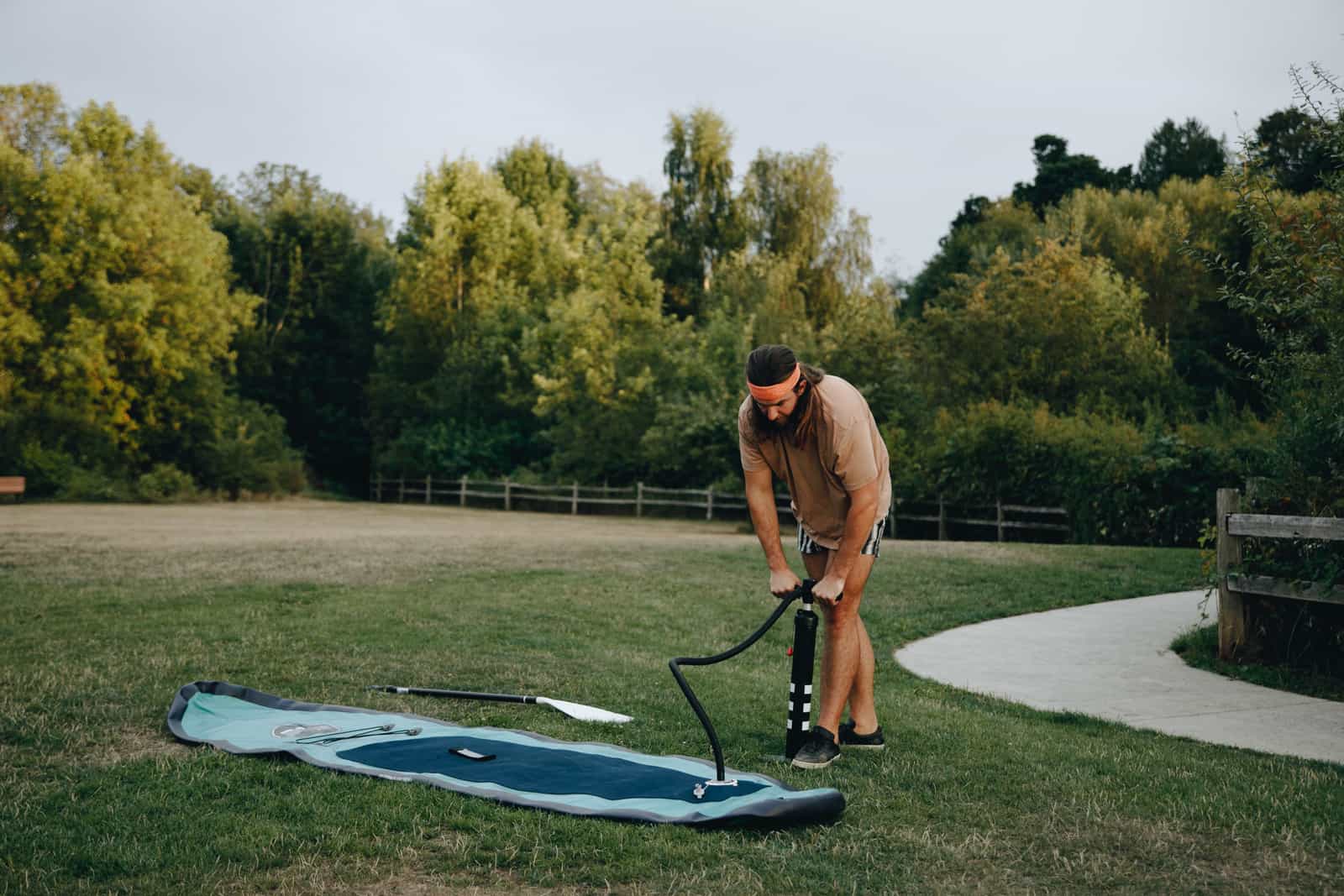
Pumps are the accessory people think about least and complain about most. They are also the one part of this category where the manufacturers publish enough for the useful question to be answered properly, and almost nobody answers it.
Every electric pump here publishes a flow rate in liters per minute. The good hand pumps publish a cylinder volume in cubic centimeters. Every board publishes a volume and a target pressure. Turning those into "how long will this take" is division, and the full model is here.
The headline flow rate is misleading
This is the single most useful thing on this page. A two-stage electric pump publishes two rates: a high-volume stage that fills the board into shape, and a high-pressure stage that takes it to working pressure. On the OutdoorMaster Shark II those are 350 L/min and 70 L/min.
Almost all of the work is in the second stage. A 300 L board at 15 psi needs 606 liters of free air, of which 300 fills the shape and 306 compresses it -- so the fast stage handles about half the air in about 16 percent of the time, and the slow stage does the rest.
Which is why the single-stage Bravo BP12, at a constant 160 L/min, is faster overall than a pump advertised at 350.
| Pump | Type | Rate | Max psi | Weight (lb) | 300 L board |
|---|---|---|---|---|---|
| Bravo BP12 | Electric, single stage | 160 L/min | 14.5 | Not published | ~3.8 min |
| OutdoorMaster Shark II | Electric, two stage, 12 V | 350 / 70 L/min | 20 | 3.6 | ~5.2 min |
| OutdoorMaster Cachalot 2S | Electric, two stage, battery | 350 / 70 L/min | 20 | 2.7 | ~5.2 min |
| Bravo 4 ALU R.E.D. | Hand, double action | 2 L cylinder | 11.6 | 1.65 | Cannot reach 15 psi |
Check the ceiling before anything else
Two of the four pumps here cannot inflate a standard paddle board to its working pressure. The Bravo 4 hand pump stops at 11.6 psi and the Bravo BP12 at 14.5, against a 15 psi board target.
Both are excellent at what they are for -- inflatable kayaks in this registry run 1.1 to 6 psi and neither pump breaks a sweat. But a pump chosen for a kayak will not finish a board, and half a psi short on something you stand on is a board that flexes. Compare your product's published target against your pump's ceiling before you buy either.
Corded, battery or hand
The two OutdoorMaster pumps publish identical rates, so the choice between them is only about where you inflate. Corded works at a car and nowhere else; battery works anywhere for about three boards per charge, on OutdoorMaster's own figure.
A hand pump is 1.65 lb with nothing electrical in it. We would carry one alongside an electric pump rather than instead of one, and the full comparison is here.
Pumps: every page
Each of these carries the published specifications, the figures we derived from them, and a buy link for its top pick.

Electric pumps for inflatable boards and kayaks
Published flow rates converted into minutes for five real boards, with the two-stage model explained.

Electric or hand pump: the numbers on both sides
Stroke counts against minutes, plus weight, charge limits and what happens when each one fails.
Read itThe background that makes these decisions easier
The pages that explain the numbers everything above is ranked on.
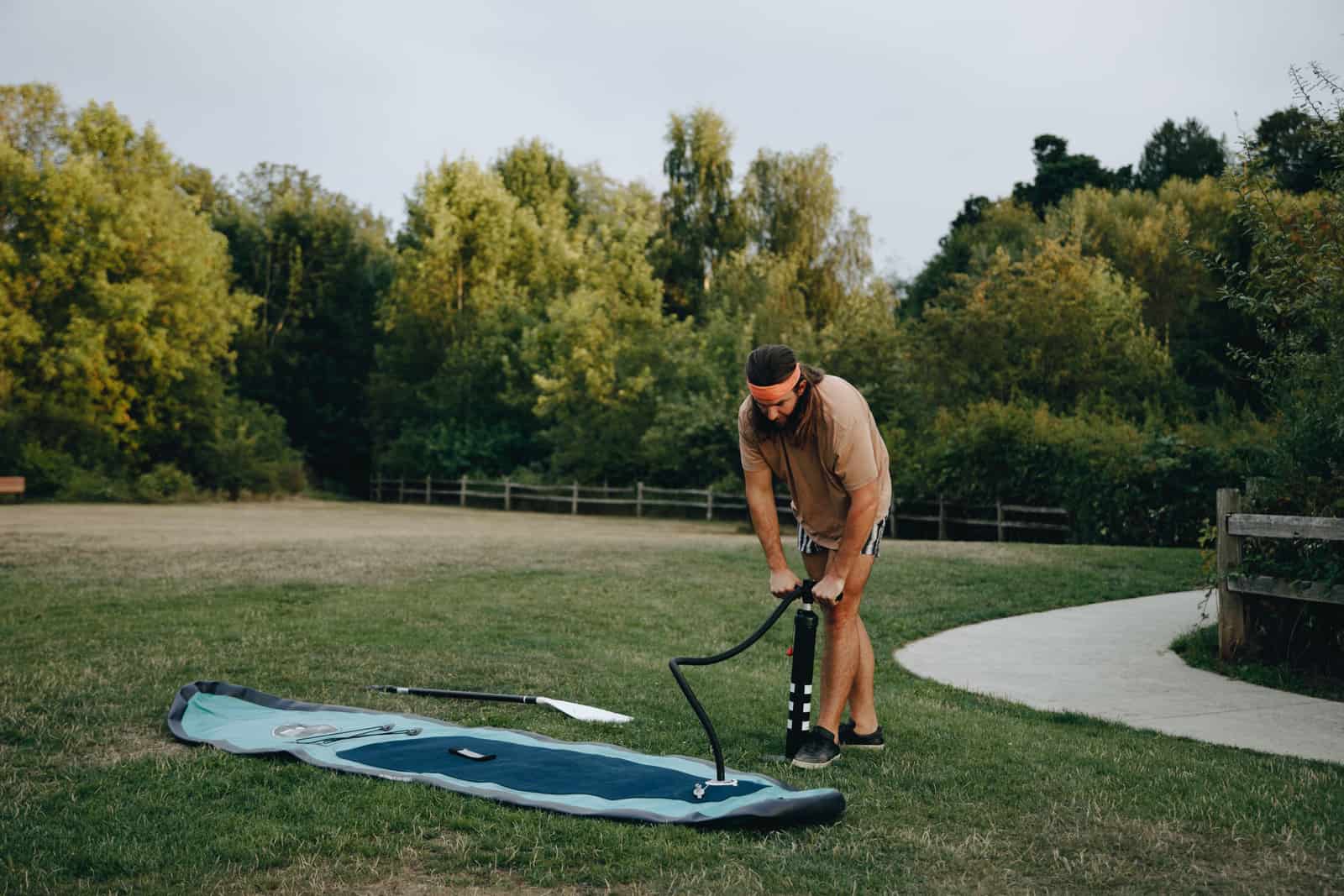
How long an inflatable actually takes to inflate
Stroke counts and minutes computed from published volume, pressure and pump displacement, with the model set out.
Read it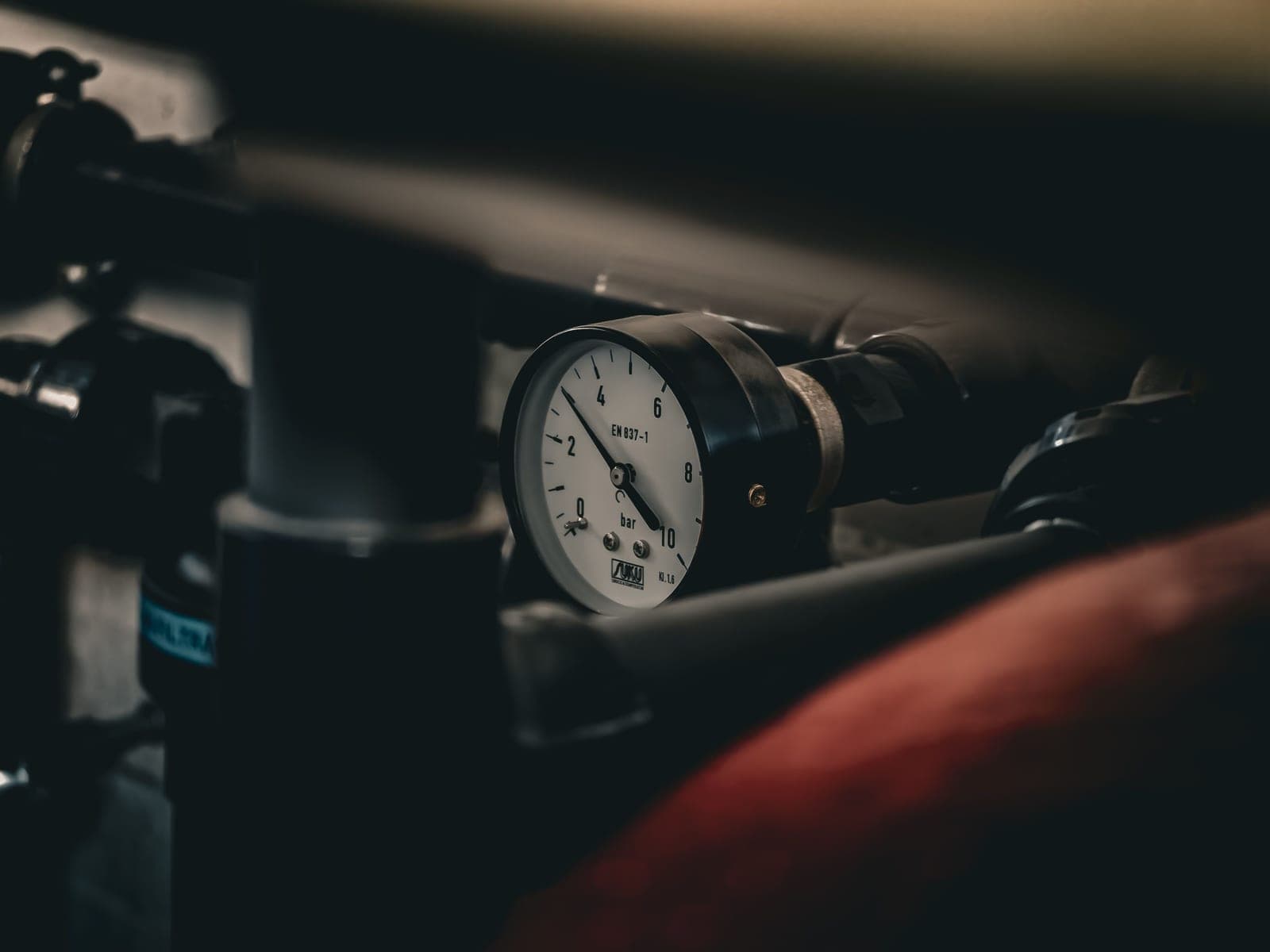
PSI chart: what pressure each model actually runs
Every published working pressure in the registry, what over- and under-inflation do, and which brands publish nothing.
Read it
Flying with an inflatable kayak or paddle board
The 62-inch and 50 lb limits, the fees past them, and which products clear both on published figures.
Read itQuestions people actually ask
Do I need to buy a separate pump?
Is an electric pump faster than a hand pump?
What flow rate do I need?
What pressure does my pump need to reach?
Should I carry a hand pump as backup?
Sources
Every specification on this page was read from one of these, on the date shown. Specs change between model years, so the date matters as much as the link.
- OutdoorMaster Shark II specifications — read September 2, 2026
- OutdoorMaster Shark 2 listing, Amazon — read September 2, 2026
- OutdoorMaster Cachalot 2 specifications — read September 2, 2026
- OutdoorMaster Cachalot 2 listing, Amazon — read September 2, 2026
- Bravo 4 ALU R.E.D. specifications, West Marine — read September 2, 2026
- Bravo 4 double action hand pump specifications, Inflatable Boat Parts — read September 2, 2026
- Bravo BP12 owner's manual — read September 2, 2026
- Bravo BP12 listing and specifications, Amazon — read September 2, 2026
Everyone in this category says they tested twenty boats. We have not tested any, and we say so. What we did instead: pulled the published specifications and the owner's manuals, computed the pump load and the packed volume for every model that publishes enough to compute them, checked the packed sizes against the airline limits you will actually meet, and cited every page we read. The full method.
Prefer to start somewhere else? Every page on the site is listed here.