PSI chart: what pressure each model actually runs
Kayaks run 1.1 to 6 psi. Boards run 15 to 18. That single order-of-magnitude gap explains most of the difference between the two.
By Scooter M. · Published September 2, 2026 · Last updated September 2, 2026
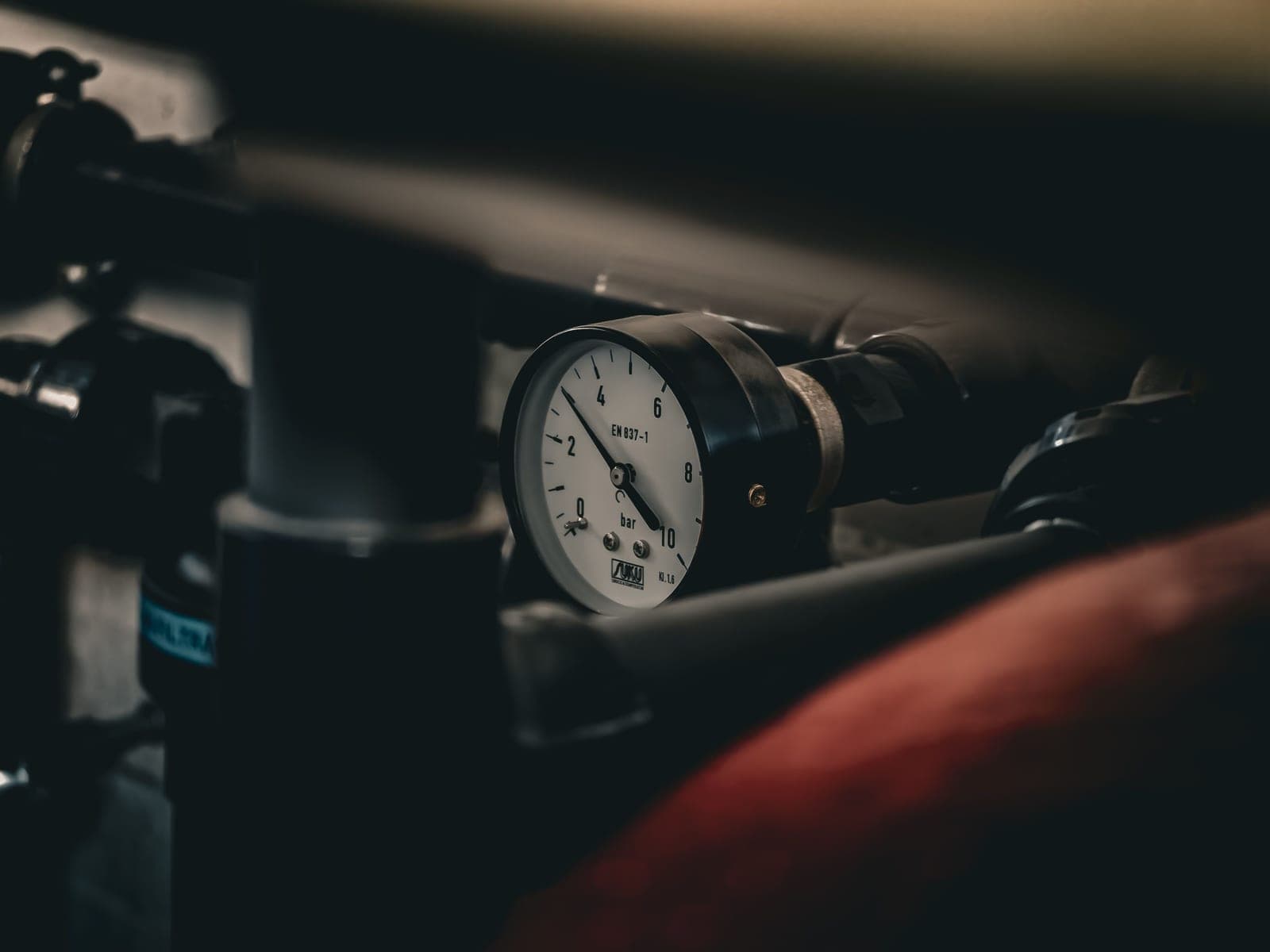
Working pressure is the most consequential specification in this category and one of the least consistently published. It determines how rigid the thing is, how long it takes to inflate, how much a pump has to be capable of, and how it feels to be on.
- Inflatable kayaks run 1.1 to 6 psi. Inflatable paddle boards run 15 to 18.
- That gap is why boards take roughly 130 to 190 hand-pump strokes and kayaks take minutes.
- Three of eight kayaks in our registry publish no pressure figure at all. Every board does.
- Drop-stitch floors run much higher than the tubes around them -- 6 psi against 3 on the Aquaglide Chelan 120.
Every published pressure in the registry
| Model | Type | Main psi | Floor / high-pressure psi | Source |
|---|---|---|---|---|
| Sea Eagle SE370 | Kayak | 1.1 | Not published | Sea Eagle |
| Advanced Elements PackLite | Kayak | 2 | 1 | Advanced Elements |
| Advanced Elements AdvancedFrame | Kayak | 2 | 1 | Advanced Elements |
| Driftsun Voyager 2 | Kayak | 2 | 1 | Driftsun |
| Aquaglide Chelan 120 | Kayak | 3 | 6 | Aquaglide |
| Sevylor Quikpak K1 | Kayak | Not published | Not published | - |
| Intex Explorer K2 | Kayak | Not published | Not published | - |
| Intex Excursion Pro K2 | Kayak | Not published | Not published | - |
| Retrospec Weekender 10'6 | Board | 12-15 | - | Retrospec |
| ROC Explorer 10' | Board | 12-15 | - | ROC |
| Red Paddle Co Compact 9'6 | Board | 15 | - | Red Paddle Co |
| GILI Air 10'6 | Board | 15 | - | GILI |
| Atoll 11' | Board | 15 | - | Atoll |
| NIXY Newport G5 | Board | 15 | - | NIXY |
| Bluefin Cruise 10'8 | Board | 15-18 | - | Bluefin |
| iROCKER Nautical 10'6 | Board | 18 | - | iROCKER |
Why kayaks run so much lower than boards
It is geometry. A round tube under pressure is one of the most efficient structures there is -- the pressure loads the fabric evenly in tension, and it holds its shape at very low pressure. A kayak is a set of round tubes.
A paddle board is a flat panel, and a flat panel under pressure wants to become a pillow. Drop-stitch construction stops it: thousands of threads run between the top and bottom skins, holding them a fixed distance apart. Those threads only do their job under tension, and tension needs pressure. Fifteen psi is roughly what it takes to make a six-inch panel rigid enough to stand on.
The Aquaglide Chelan 120 shows both principles in one boat: 3 psi in the round side tubes, 6 psi in the drop-stitch floor. Same boat, same pump, double the pressure in the flat part.
Under-inflation is the common failure
Nobody deliberately under-inflates. People simply stop pumping when it feels firm, and a board at 10 psi feels firm to a hand and bends noticeably under a standing adult.
The symptom is a board that feels unstable and slow, which most people attribute to the board rather than to the pressure. If a board sags in the middle when you stand on it, it is under-inflated. This is why a gauge matters, and it is worth checking that the pump you buy has one -- the pumps section covers what each one publishes.
Over-inflation, heat and the sun
Air expands as it warms. A board inflated to 15 psi in the morning and left on hot sand gains pressure through the day with no help from anybody, and the published maximum is a maximum.
The practical rule that follows: if you are leaving an inflated board or boat in direct sun for any length of time, let a little air out. Seam failures are not gradual, and they do not happen at the convenient end of a trip.
The three kayaks that publish nothing
Sevylor and both Intex models give you an inflated size, a weight, a capacity and a material, and no working pressure. On a boat whose entire structure comes from air pressure, that is a strange omission -- the difference between a hull that tracks and one that folds is a couple of tenths of a psi, and without a published target you are inflating by feel.
- How long that pressure takes to reachThe target psi on this page is the input to every stroke count on that one.
- PumpsCheck your board's target against your pump's published ceiling.
- Drop-stitch explainedWhy a flat panel needs 15 psi and a round tube needs 2.
Questions people actually ask
What PSI should an inflatable kayak be?
What PSI should an inflatable paddle board be?
What happens if you over-inflate?
What happens if you under-inflate?
Sources
Every specification on this page was read from one of these, on the date shown. Specs change between model years, so the date matters as much as the link.
- Advanced Elements PackLite listing, Amazon — read September 2, 2026
- Advanced Elements PackLite specifications, Air Kayaks — read September 2, 2026
- Advanced Elements AdvancedFrame AE1012 owner's manual — read September 2, 2026
- AdvancedFrame AE1012-R specifications, B&H — read September 2, 2026
- Sea Eagle SE370 specifications — read September 2, 2026
- Sea Eagle SE370 Pro package listing, Amazon — read September 2, 2026
- Aquaglide Chelan 120 specifications, Campmor — read September 2, 2026
- Aquaglide Chelan 120 listing, Amazon — read September 2, 2026
- Sevylor K1 QuikPak specifications, Coleman — read September 2, 2026
- Sevylor QuickPak K1 listing, Amazon — read September 2, 2026
- Driftsun Voyager 2-person listing and specifications, Amazon — read September 2, 2026
- Intex Explorer K2 official specifications — read September 2, 2026
- Intex Excursion Pro K2 official specifications — read September 2, 2026
- Intex Excursion Pro K2 listing, Amazon — read September 2, 2026
- Red Paddle Co Compact 9'6 specifications, REI — read September 2, 2026
- Red Paddle Co Compact 9'6 package listing, Amazon — read September 2, 2026
- NIXY Newport all-around specifications — read September 2, 2026
- NIXY Newport G5 listing, Amazon — read September 2, 2026
- Atoll 11' specifications — read September 2, 2026
- Atoll 11' listing, Amazon — read September 2, 2026
- GILI Air inflatable paddle board package listing, Amazon — read September 2, 2026
- Bluefin Cruise 10'8 specifications — read September 2, 2026
- Bluefin Cruise 10'8 listing, Amazon — read September 2, 2026
- iROCKER Nautical 10'6 specifications — read September 2, 2026
- iROCKER Nautical listing, Amazon — read September 2, 2026
- Retrospec Weekender 10'6 specifications — read September 2, 2026
- Retrospec Weekender listing, Amazon — read September 2, 2026
- ROC Explorer 10' specifications, Walmart listing — read September 2, 2026
- OutdoorMaster Shark II specifications — read September 2, 2026
- OutdoorMaster Shark 2 listing, Amazon — read September 2, 2026
- OutdoorMaster Cachalot 2 specifications — read September 2, 2026
- OutdoorMaster Cachalot 2 listing, Amazon — read September 2, 2026
- Bravo 4 ALU R.E.D. specifications, West Marine — read September 2, 2026
- Bravo 4 double action hand pump specifications, Inflatable Boat Parts — read September 2, 2026
- Bravo BP12 owner's manual — read September 2, 2026
- Bravo BP12 listing and specifications, Amazon — read September 2, 2026